Column · @melbpaint39140484
How to Plan Painting for Melbourne’s Commercial Reception Areas
A reception area shapes visitors’ first impressions, but it also needs to cope with regular foot traffic, bags, furniture and frequent cleaning. A well-planned commercial painting project can refresh the space while keeping access and daily operations in mind. Start by assessing the surfaces, the way the area is used and the practical limits on when work can take place.
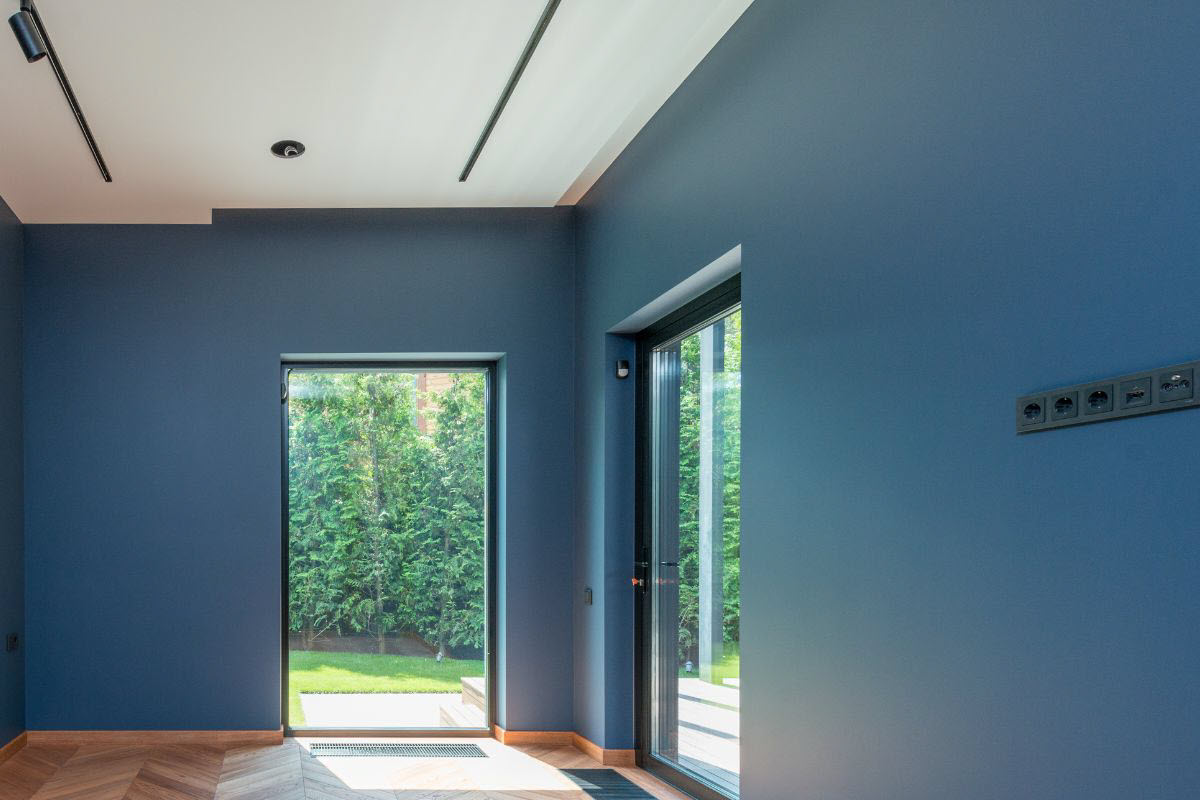
Assess the space before choosing paint
Inspect walls, ceilings, doors and trim for scuffs, loose paint, cracks, stains or previous repairs. Note areas that are touched often, such as around door handles and counters. Identify the surface material and existing coating where possible, because the preparation and primer needed can differ between plasterboard, timber and previously painted surfaces.
Look for signs of moisture or other underlying damage before painting over marks. Persistent damp, peeling or staining may need investigation and repair first. Painting over an unresolved problem can lead to poor adhesion or recurring defects.
Select suitable colours and finishes
Choose colours in the actual reception lighting rather than relying on a small printed sample. Daylight, overhead lighting, flooring and furniture can all affect how a colour appears. Test sample areas and view them at different times of day before settling on a scheme. A restrained palette can help https://melbournehousepaintingpros.com.au/contact/ connect reception walls with the rest of the workplace without making the space feel visually busy.
Finish selection should reflect both appearance and use. A washable wall finish may be practical in areas exposed to fingerprints, while ceilings commonly use a flatter finish to reduce the appearance of minor surface variations. Follow the coating manufacturer’s guidance for the substrate, preparation and cleaning requirements.

Coordinate preparation and access
Surface preparation often determines how sound and even the finished work looks. Plan time for cleaning, scraping unstable paint, filling defects, sanding and priming as needed. Protect reception desks, flooring, signage, glazing and equipment. Confirm which items must be moved or covered, and keep exits and accessible routes clear.
Agree on work hours and staging before the project begins. If the reception must remain open, dividing the work into manageable sections may reduce disruption, but it requires clear coordination with staff and visitors. Allow for drying and curing times before returning furniture or resuming normal use; these times vary by product and site conditions.
Plan for upkeep
Keep a record of paint colours and product details for future small repairs. After completion, clean painted surfaces using the product maker’s recommendations and avoid abrasive methods that could damage the coating. Regularly checking high-contact areas can help identify minor wear before it becomes a larger maintenance task.

Melbourne House Painting Pros
2/147 Swan St, Richmond VIC 3121
(03) 4051 5313